


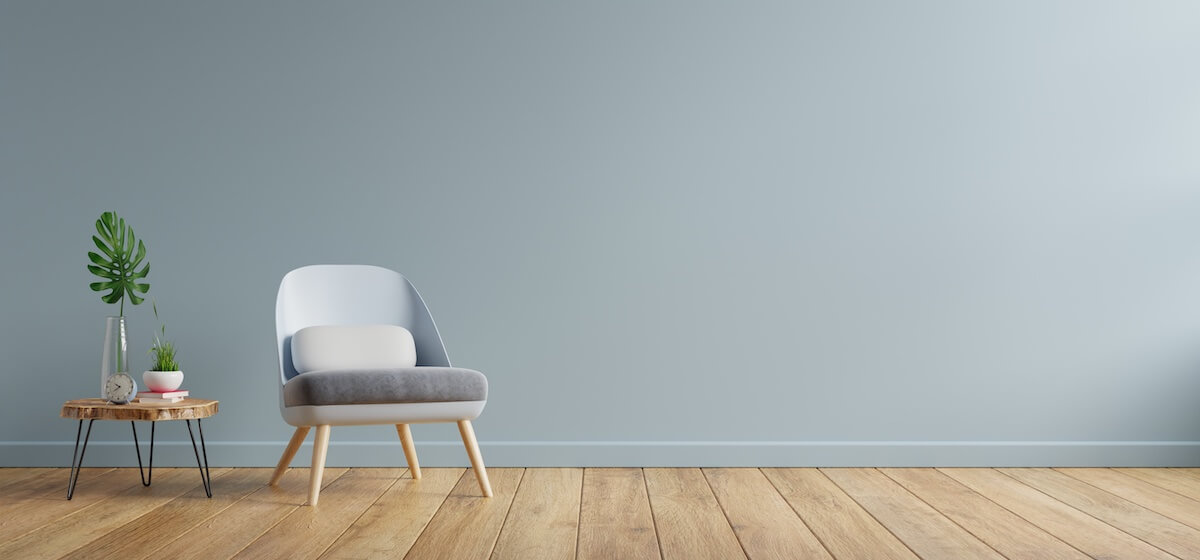
End table decor can feel deceptively simple — but achieving a polished, intentional look takes balance. The key is selecting a few well-chosen pieces and using accent colors thoughtfully to create harmony rather than clutter.
Even seasoned designers know that tabletop styling requires restraint and proportion. The good news? With a few foundational principles, anyone can create beautifully styled surfaces that elevate an entire room.
In this guide, we’ll walk through the essentials of styling tabletops in any space, regardless of your interior aesthetic. These end table decor ideas will help you create a cohesive, refined look that feels curated — not crowded.
How to style an end table decor
Understanding the Role of Tables in Home Styling
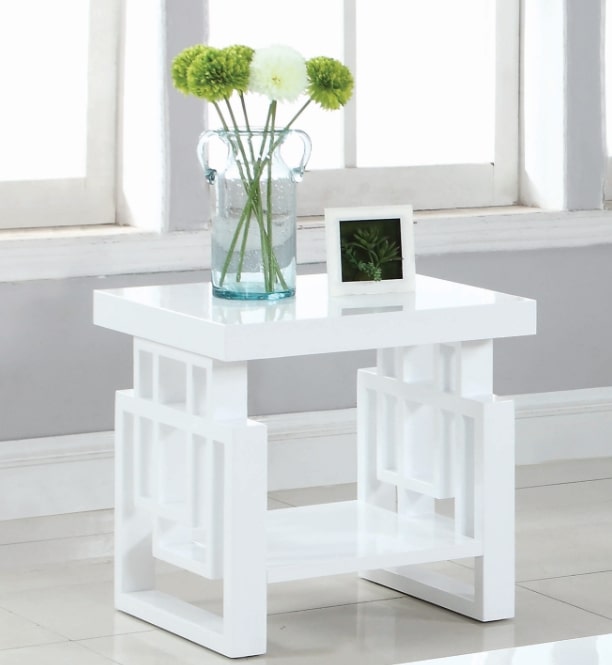
End tables, side tables, accent tables, console tables, bedside tables, nesting tables, and coffee tables all share one important feature: a flat surface that presents a powerful styling opportunity.
That surface can either become a clutter zone — or a design moment.
So how do you decide what belongs there?
Start with these three foundational styling principles:
1. Size Matters
The available surface area determines how much you can add without overwhelming the space. Smaller tables require fewer, more intentional pieces. Larger tables may allow for layered arrangements.
The shape of the table also influences composition. Round tables lend themselves to clustered arrangements, while rectangular surfaces often benefit from structured placement.
2. Location Defines Function
Where the table sits in your home directly impacts what it should hold.
-
A bedside table may need a lamp and practical essentials.
-
An entryway console may highlight decorative accents.
-
A living room end table often balances function and aesthetics.
Always consider how the space is used before selecting decor.
3. Style Creates Cohesion
Your end table decor should reflect the broader design language of your home.
Whether your aesthetic leans toward boho, mid-century modern, farmhouse, Hollywood Regency, or organic modern, your tabletop styling should feel like a natural extension of the room — not an afterthought.
Consistency in materials, color palette, and form ensures your decor feels intentional.
5 things to include in end table decor
Choosing the Right End Table Before You Style
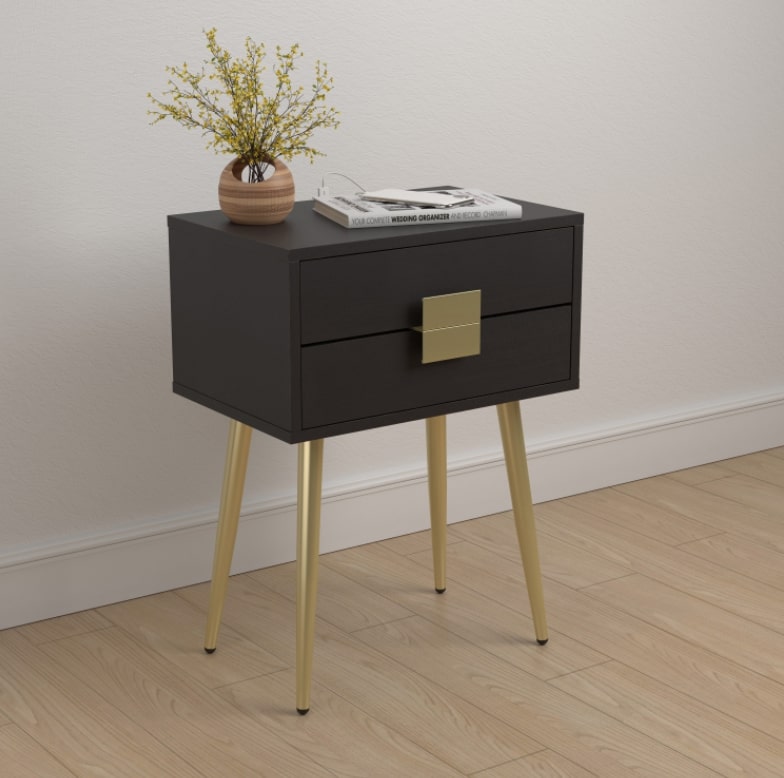
Now that you understand the basics, you’re ready to begin decorating your end tables. But before adding accessories, there’s one important step: make sure you’re starting with the right table.
Styling a piece that doesn’t fit your space, aesthetic, or personal taste will always feel forced. The foundation matters.
If it’s time for an upgrade, take time to explore different end table options and choose one that complements both your layout and your overall design style. The right proportions, materials, and silhouette will make styling feel effortless rather than frustrating.
Not ready to invest in a new piece yet? That’s fine. Start by identifying the styles that appeal to you. Knowing your preferences will help guide your future decisions and ensure a more cohesive look over time.
Also consider function and flexibility. Depending on your space, you might prefer:
-
A compact snack table for versatility
-
Nesting tables for small-space living
-
A nightstand for bedroom styling
-
A slim console for entryways
The piece you choose should align with how you use the space every day. When the table fits your needs and aesthetic, decorating it becomes simple — and far more satisfying.
1. Table lamps
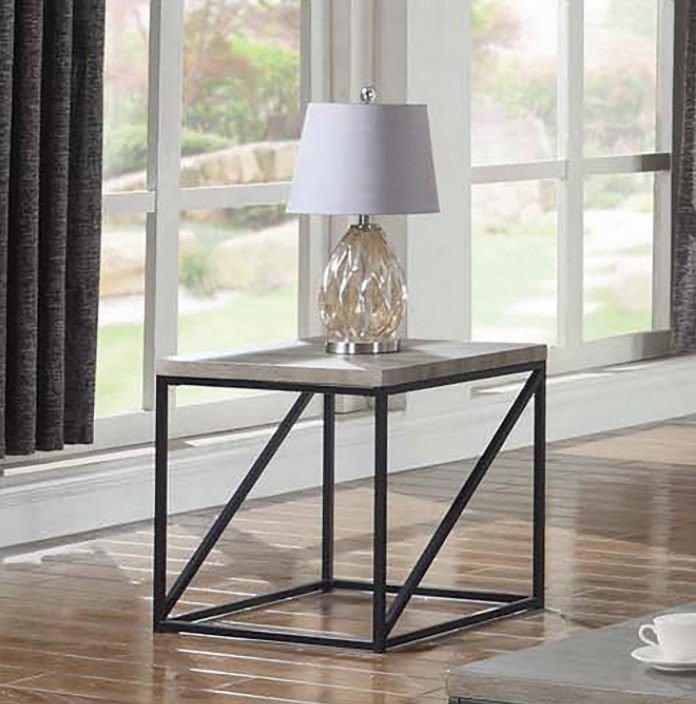
Table lamps are a given on end tables, side tables, and accent tables in any room. They add color, height, and mood lighting, and they serve as functional table decorations. Plus, a table lamp creates an instant reading spot to cozy up with your favorite book.
The best lamp for your table will depend on the location. For example, in the living room, you might pick a lamp set so you have two matching table lamps on either side of your sofa, plus a matching floor lamp. The same is true for your bedroom; you can place a table lamp to either side and nestle the floor lamp in a cozy corner. But if you’re decorating a small entryway, one table lamp on the accent table by the door will do the trick.
Adding multiple lamps is especially useful if your built-in lighting isn’t great. Also, tall lamps are ideal for spaces with high ceilings.
As you pick your lamp, look for a good size in relation to the size of your table. And don’t forget to think about shape. For example, if you have a round side table, consider a lamp with a round base to match, or a square base to mix it up.
Keep in mind that lamps don’t fit on all tables, and they shouldn’t be placed in spots where they’re easy to knock over. (It’s no surprise that coffee table decor doesn’t typically include lamps.) If you want to add a lighting element to a table that’s not a good fit for a lamp, try candle holders instead. LED candles look beautiful (and quite real) in candle holders.
2. Books
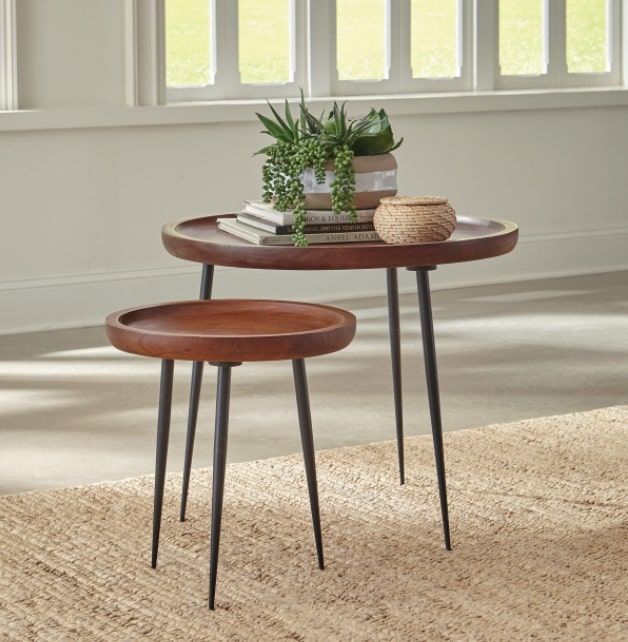
Styling With Books for Depth and Personality
Books are one of the easiest ways to add personality to your end table decor. Whether they reflect your interests, design preferences, or favorite subjects, they instantly make a space feel lived-in and intentional.
Beyond their personal value, books add subtle color and structure. A small stack creates visual height and can act as a base to elevate other decorative elements.
Stack, Don’t Scatter
A stack of two to four books is typically more visually appealing than a single book lying flat. They work beautifully on tabletops as well as on lower shelves.
One of the biggest advantages of styling with books is efficiency — they take up very little space, especially when layered beneath another object. And because most people already own books, this is an easy and budget-friendly way to enhance your decor.
Coordinate With Your Color Palette
Select book covers that complement the tones of your room.
-
Blues and greens pair well with coastal or neutral spaces.
-
Warm browns, tans, and deep reds add richness to traditional or earthy interiors.
-
Black-and-white spines create a clean, modern look.
The goal is cohesion, not contrast that overwhelms.
Use Books to Create Layers
Books are also excellent for building small decorative vignettes. Try placing a plant, sculpture, or decorative object on top of a stack to vary height and create visual interest.
If multiple objects are the same height, use books beneath one item to introduce dimension. Layering in this way prevents your tabletop from feeling flat and adds thoughtful structure to the arrangement.
3. Houseplants
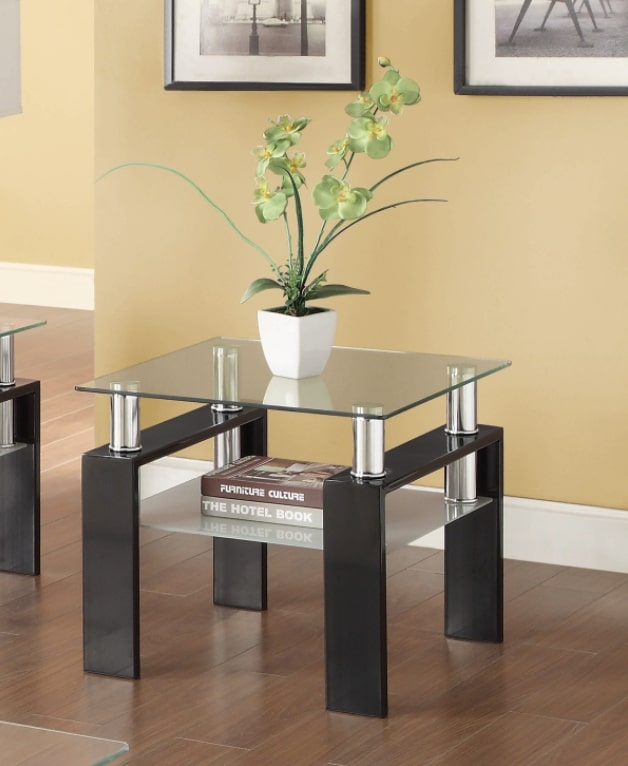
Adding Greenery for Life and Balance
Plants enhance nearly every space. Whether real or high-quality faux, greenery introduces movement, texture, and a natural pop of color that softens any room.
A small plant in the dining room, bedroom, or living area instantly makes the space feel more alive and welcoming.
Placement Matters
Multi-level tables offer great opportunities for styling with plants. Smaller plants work beautifully on lower shelves, while medium-sized plants tend to make a stronger visual impact when placed on top.
Scale should always feel balanced — the plant should complement the table, not overwhelm it.
Consider the Planter
While greenery itself pairs well with most styles, the planter plays a major role in cohesion.
-
A terra cotta pot complements natural wood in a modern farmhouse setting.
-
A white or matte ceramic planter feels at home in a minimalist interior.
-
Textured stone or concrete planters align beautifully with organic modern spaces.
Even something as simple as painting a planter can help it better match your aesthetic.
When in Doubt, Add Plants
If other styling attempts feel cluttered or forced, greenery is a reliable fallback. A group of three small plants in varying heights and planter sizes can create a simple yet visually dynamic arrangement.
Natural elements bring softness and balance — often with minimal effort.
4. Coasters
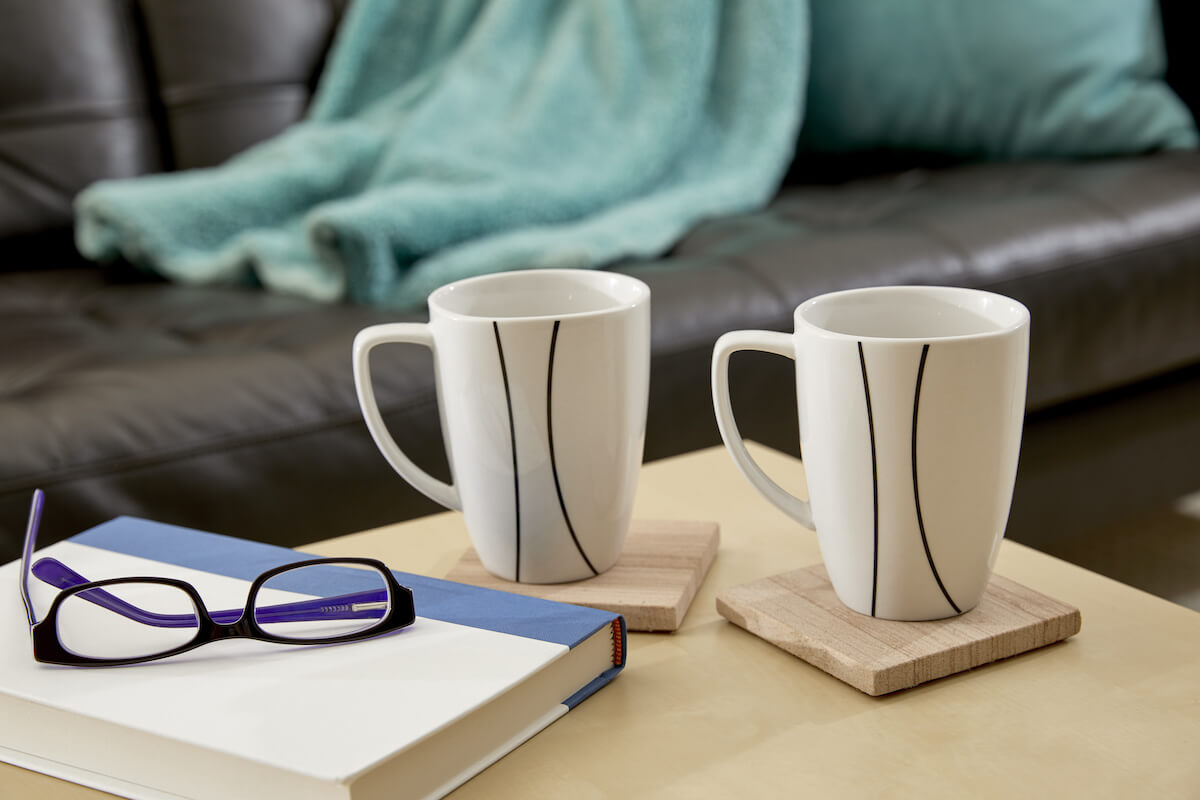
Incorporating Coasters With Style and Function
Coasters are essential for protecting your tables — especially in high-use areas like the living room. But just because they’re practical doesn’t mean they can’t be part of your overall decor.
Thoughtful styling often includes functional pieces. In fact, the most timeless decorating ideas are those that blend beauty with everyday use.
Choose Coasters That Complement the Space
Rather than hiding them away, select a set that enhances your tabletop arrangement.
Secondhand shops can be great sources for unique, character-rich pieces. You’ll also find elegant options online or in home goods stores.
When choosing coasters, consider the table and the surrounding design:
-
Antique white tables pair beautifully with whitewashed rattan or vintage-inspired sets.
-
Modern interiors benefit from sleek stone, marble, or minimalist ceramic designs.
-
Organic modern spaces align well with natural materials like cork, wood, or woven fibers.
You can even create DIY coasters if you’re looking for something personal and custom.
When selected intentionally, coasters protect your furniture while contributing to a cohesive and polished look.
5. Personal artwork or photos
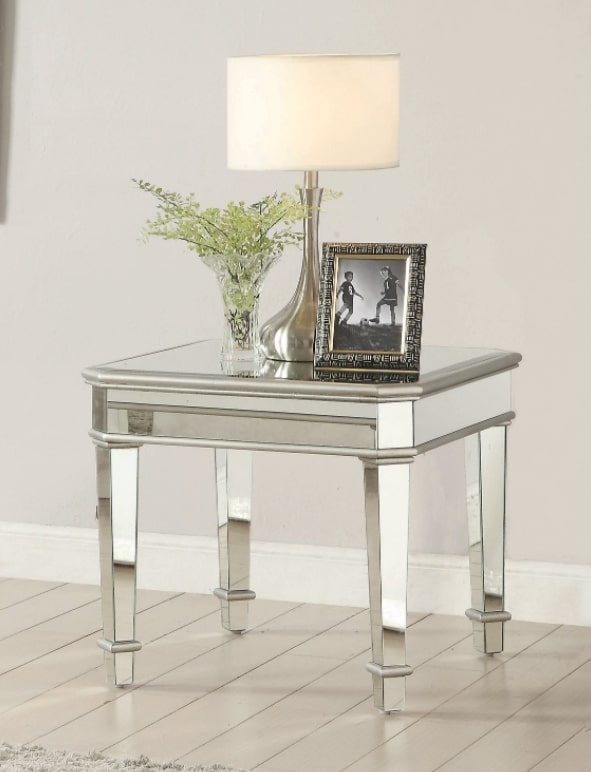
Adding Personal Touches Through Art and Meaningful Objects
End table decor isn’t just about style — it’s also an opportunity to tell your story.
A framed wedding photo, a silhouette of your dog, or artwork created by your children can instantly make your tabletop feel personal and lived-in. These pieces add warmth and authenticity that no store-bought accessory can replicate.
If nothing comes to mind, consider creating something yourself. That painting tutorial you bookmarked? This might be the perfect moment to try it.
Think Beyond Framed Art
Decorative expression isn’t limited to photos and frames. Sculptures, ceramic bowls, small statues, and unique vases can all serve as artistic focal points.
The key is choosing pieces that feel intentional rather than excessive.
Balance Cohesion With Personality
Ideally, your artwork and decorative objects should align with the room’s color palette and overall style. However, not every meaningful piece needs to match perfectly.
One or two personal items that bring joy can add character without disrupting the design.
At the end of the day, beautiful decor should reflect not just a style — but the life lived within the space.
Decorating tips to put it all together
Bringing It All Together
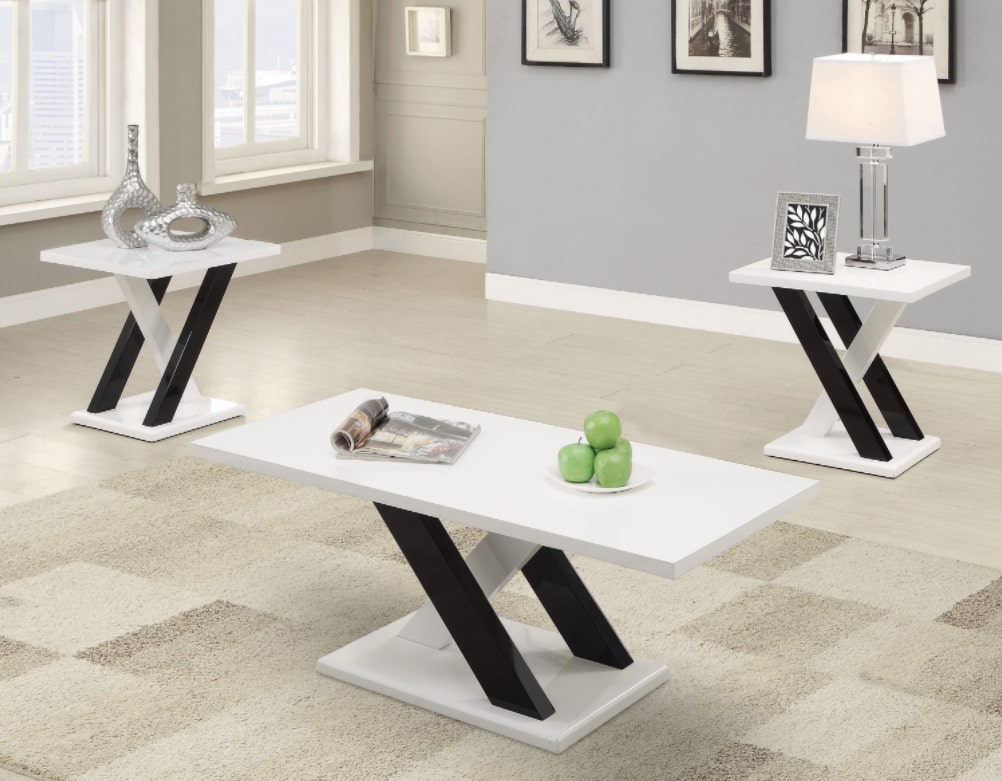
You don’t need to use every item on this list to create photo-worthy end table decor. The key is knowing how to combine the elements in a way that feels balanced and intentional.
Start by identifying which ideas resonate with your style. Eliminate what doesn’t align with your vision. Then apply these principles to create arrangements you genuinely love:
Keep It Simple
End table decor should never overwhelm the surface. Even larger pieces like console tables benefit from a restrained approach.
Aim for:
-
3 to 5 items on smaller tables
-
4 to 8 items on larger surfaces
Less is almost always more.
Embrace Symmetry
Symmetry is naturally pleasing to the eye. Matching accent tables, balanced lamp placement, or a mirrored number of decorative elements can create structure and harmony within a room.
You don’t have to be perfectly symmetrical — just intentional.
Vary the Height
Flat arrangements feel uninspired. Combine taller items (lamps or vases), medium elements (plants or sculptures), and lower-profile pieces (books or trays) to create visual dimension.
Layering is what transforms clutter into design.
Prioritize Function
Style should never compromise usability. Your end table must still serve its purpose.
Need a place for the remote? Use a decorative bowl.
Need easy access to essentials? Leave space for them.
Beautiful decor supports daily living — it doesn’t fight against it.
Ready to Refresh Your End Table Decor?
The beauty of end table styling is flexibility. It’s one of the easiest ways to refresh a room without replacing major furniture pieces.
Experiment. Rearrange. Update as inspiration strikes.
And if you’re still searching for the perfect foundation piece, explore the latest collections at DelRio Home and find an end table that complements your space and your lifestyle.
Because great design isn’t about perfection — it’s about intention.