


Minimalist interior design is one of the most timeless approaches to decorating. Clean, intentional, and effortlessly modern, it creates spaces that feel open and uncluttered without sacrificing warmth.
Rooted in the minimalist art movement of the 1960s, this design philosophy embraces simplicity — but it’s often misunderstood.
Minimalism doesn’t mean stripping your home down to something cold or lifeless. It doesn’t require you to adopt a minimalist lifestyle or eliminate every decorative item you own.
Instead, it’s about intention.
In this guide, you’ll learn what defines minimalist interior design and how to apply its principles to your own space — whether you’re refreshing a single room or transforming your entire home.
The Core Principle: Less, But Better
At its heart, minimalist design is guided by one idea:
Less is more.
Every item should have a purpose — either functional or aesthetic. Everything needs a place, and nothing should feel random.
But “less” doesn’t mean empty.
A well-designed minimalist home includes:
-
Neutral tones and a concise color palette
-
Clean lines and simple silhouettes
-
Functional, well-proportioned furniture
-
Thoughtful use of texture
Minimalism prioritizes clarity and balance, not sterility.
Warm Minimalism
Modern minimalist interiors aren’t stark white boxes. They’re calm, comfortable environments that encourage relaxation.
To prevent a minimalist space from feeling cold:
-
Layer natural textures
-
Incorporate subtle variations in tone
-
Add carefully selected art or sculptural decor
-
Use lighting intentionally
Minimalism creates visual breathing room — allowing your best pieces to stand out instead of competing for attention.
When done correctly, a minimalist home feels peaceful, refined, and timeless.
Reasons to love minimalist interior design
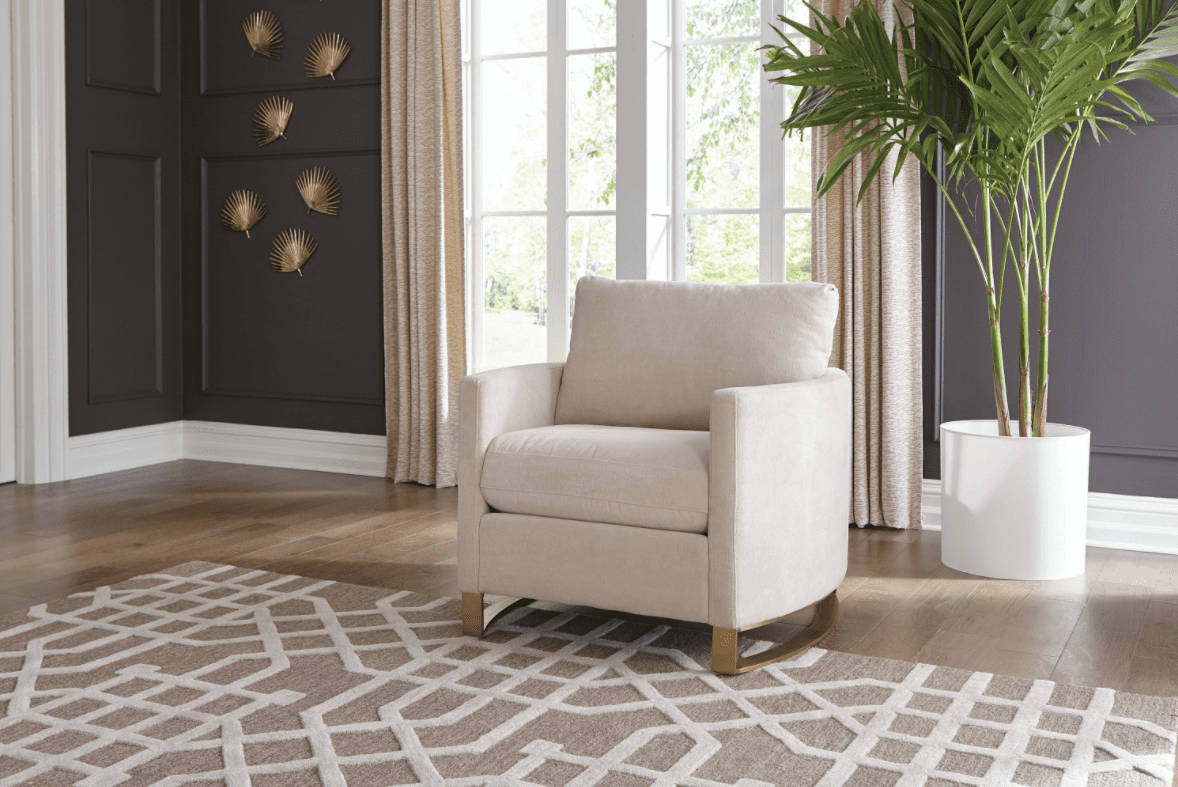
Why Choose Minimalist Design?
If you’re drawn to the idea of a minimalist living space but aren’t sure whether it’s right for you, consider the practical benefits.
Minimalism isn’t for everyone — but for many homeowners, its advantages quickly become hard to ignore.
Here’s why:
-
Small spaces feel larger. Clean lines and reduced visual clutter create openness and breathing room.
-
It rarely goes out of style. When done correctly, minimalist design is timeless.
-
It prioritizes quality over quantity. Investing in fewer, well-made pieces reduces impulse purchases and long-term waste.
-
It simplifies decision-making. With a focus on functionality and clarity, decorating becomes more intentional and less overwhelming.
-
It promotes calm. Clutter-free spaces reduce visual noise, making your home feel more peaceful and restorative.
-
It’s easier to maintain. Fewer objects mean less cleaning, less organizing, and less daily stress.
The benefits extend beyond aesthetics — minimalist design supports a more streamlined way of living.
Interior designers have embraced minimalist decor for decades because it delivers simplicity without sacrificing sophistication. And its relevance shows no signs of fading.
5 minimalist interior design tips for every home
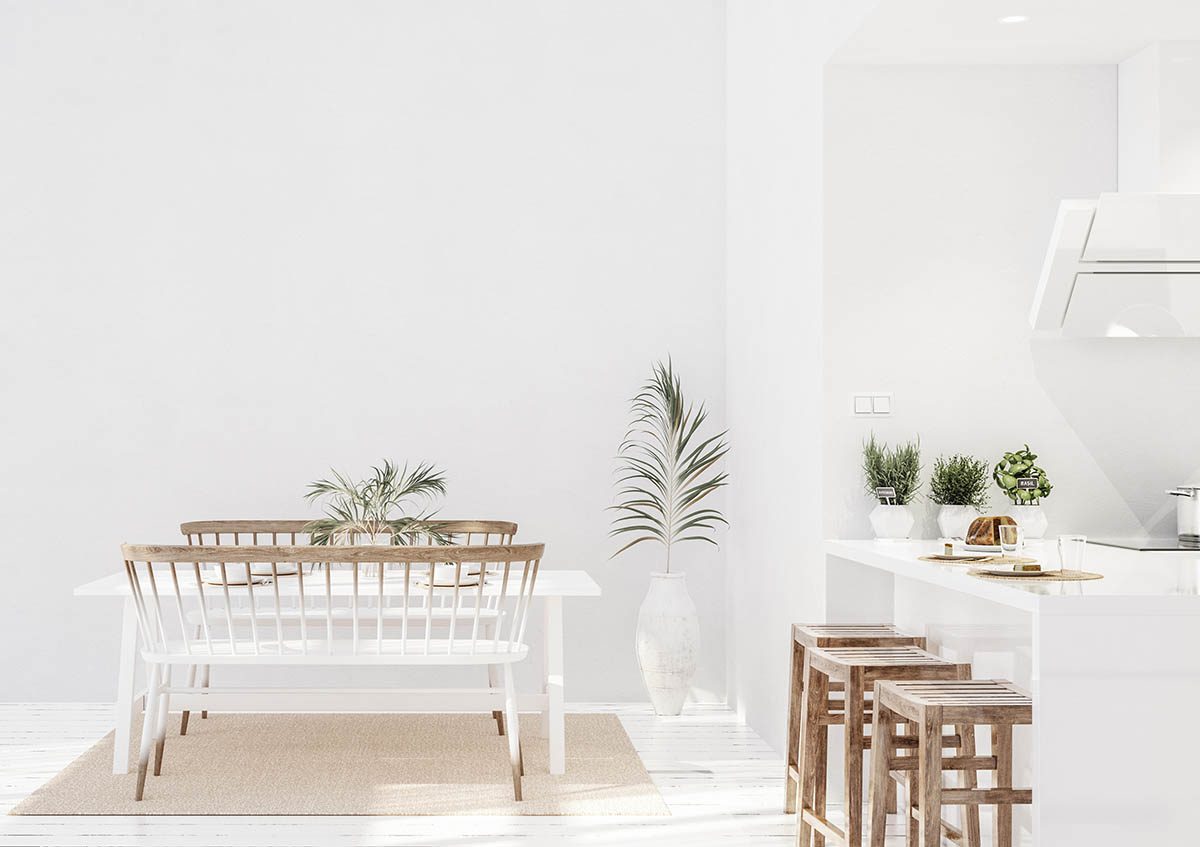
5 Minimalist Interior Design Tips
Whether your vision of minimalism leans toward Japanese-inspired serenity, Scandinavian simplicity, or simply a desire to declutter and reset your home, these five principles will help you achieve a clean and intentional space.
1. Clear the Clutter
Decluttering is the foundation of minimalist design.
Before you think about furniture, color palettes, or styling, take an honest look at your home. What do you see?
Shoes near the entryway. Stacks of mail in the kitchen. Random items on bathroom counters. And that’s just the visible layer. Now consider your drawers, closets, and cabinets.
Minimalism begins with removing excess.
Start with three steps:
-
Eliminate what you don’t need. Donate or discard items that no longer serve a purpose.
-
Organize what remains. Sort paperwork, receipts, and essentials into designated storage solutions.
-
Refine each room intentionally. Remove items that don’t add function or visual harmony.
If you need guidance, the principles popularized by Marie Kondo — keeping only items that truly serve or inspire you — can be helpful. But remember: minimalism isn’t about emptiness. It’s about clarity.
When clutter is reduced, your space instantly feels lighter, calmer, and more deliberate.
2. Plan your storage
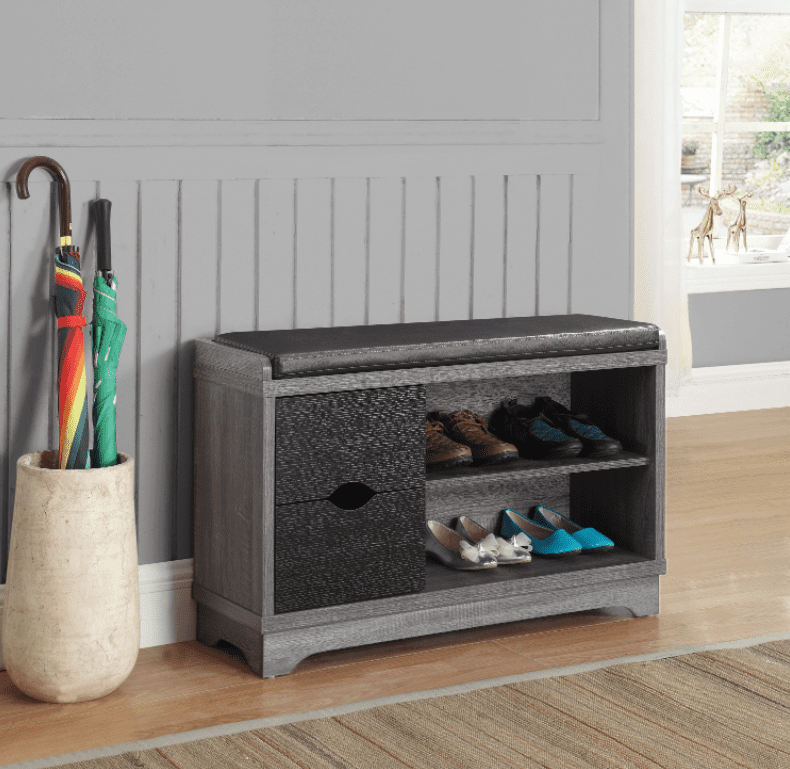
2. Invest in Smart Storage Solutions
Storage is the quiet hero of minimalist design.
After decluttering, you’ll still have essentials to keep — and that’s perfectly normal. Minimalism isn’t about owning nothing; it’s about organizing intentionally.
The difference between a cluttered home and a minimalist one often comes down to where items live.
Before you start hiding everything in a closet (which rarely works long-term), consider your daily habits.
Ask yourself:
-
Do I need a place to drop keys, mail, or bags when I walk in?
-
Do kitchen counters collect notes, chargers, or random small items?
-
Are everyday essentials visible because they don’t have a designated home?
The solution isn’t elimination — it’s thoughtful containment.
For example:
-
Add entryway storage with closed cabinetry to keep surfaces clear.
-
Use a small chest or decorative box in the kitchen to conceal loose items.
-
Choose furniture with built-in drawers or hidden compartments.
Closed storage maintains visual simplicity while preserving functionality.
Minimalist interiors appear effortless because everything has a place — even if that place is behind a cabinet door.
3. Quality over quantity
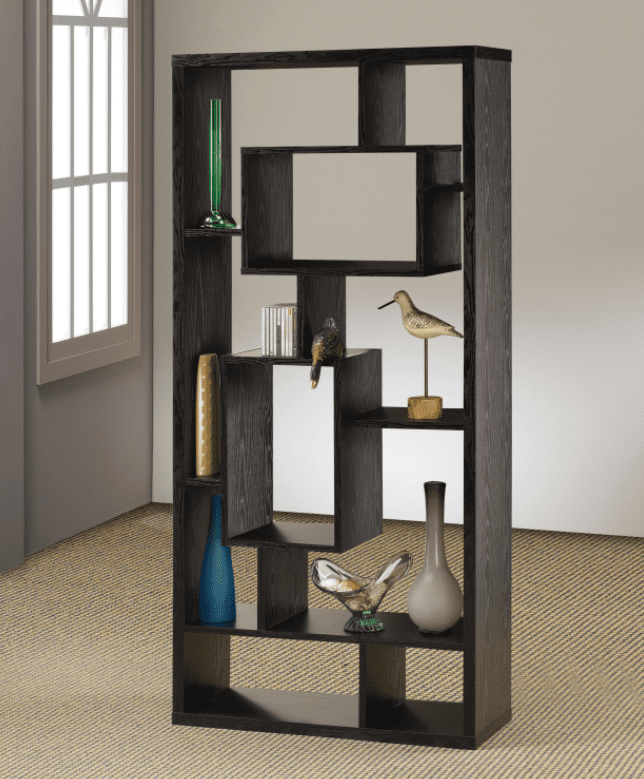
3. Choose Quality Over Quantity
Minimalism is not about owning less for the sake of it — it’s about owning better.
As you declutter and organize, resist the urge to refill your space with quick, inexpensive replacements. Instead, invest in pieces that are well-made, timeless, and meaningful to you.
Don’t just buy any console table.
Choose one you genuinely love — one that feels intentional and built to last.
The same principle applies to every major piece in your home:
-
Dining table
-
Coffee table
-
Bed frame
-
Accent chairs
-
Lighting fixtures
Minimalist interiors rely on fewer focal points. That means each piece carries more visual weight. When you prioritize craftsmanship and thoughtful design, your space feels curated instead of empty.
At the same time, minimalism doesn’t eliminate personality.
If you’re selecting lighting for your entryway, for example, ask yourself what reflects your style more — a sculptural floor lamp or a clean-lined chandelier?
Neither choice is “more minimalist” than the other. What matters is that it aligns with your aesthetic and serves a clear purpose.
In a minimalist home, every piece should either function beautifully, look beautiful, or ideally — do both.
4. Create a neutral base
4. Start with a Neutral Foundation
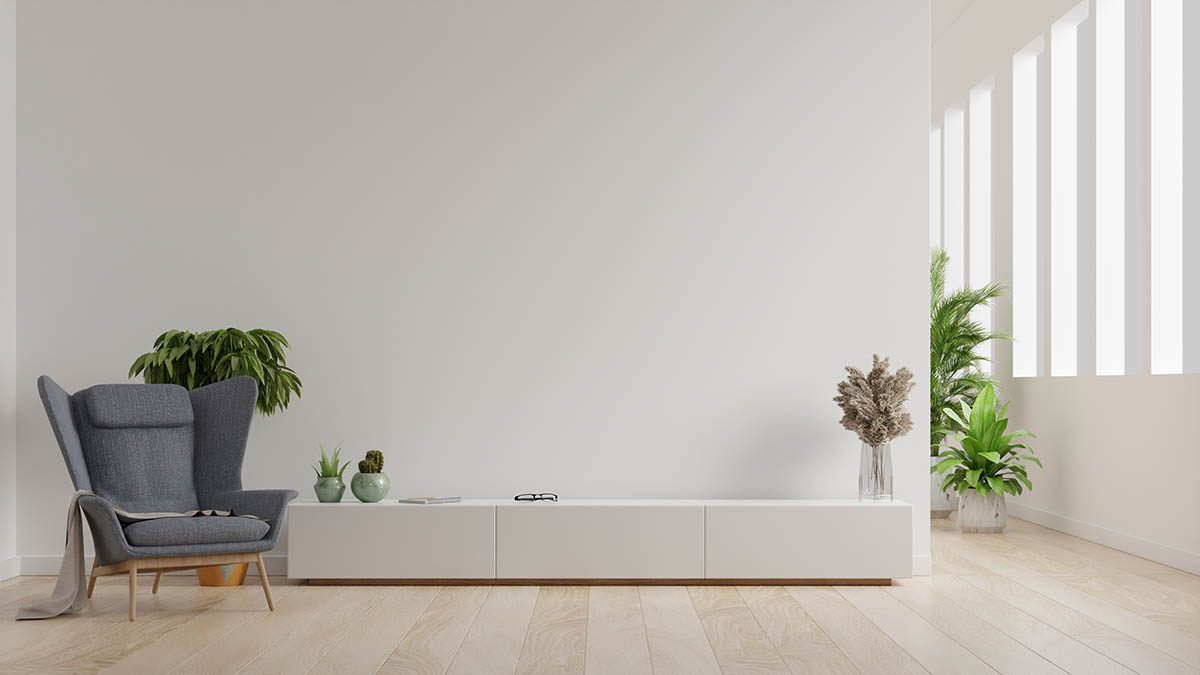
A neutral base is the backbone of classic minimalist design.
Subdued hues — white, soft grey, warm beige, and greige — create a calm, cohesive environment. Neutral palettes reduce visual noise and allow furniture and architectural details to stand out naturally.
White walls, muted textiles, and a concise monochromatic scheme can instantly make a space feel more refined and intentional.
But what if you can’t repaint?
Minimalism is still possible.
If your walls aren’t neutral, shift your focus to the elements you can control:
-
Curtains
-
Bedding
-
Upholstery
-
Rugs
-
Artwork
Use neutral tones in these larger pieces to visually quiet the room.
And neutral doesn’t have to mean boring.
Soft pastels can bring subtle color without overwhelming the space. Natural greenery adds life without clutter. A single statement piece — whether art or furniture — can provide contrast while maintaining balance.
Minimalist design is about restraint, not restriction. A calm base simply makes everything else feel more deliberate.
5. Emphasize lighting
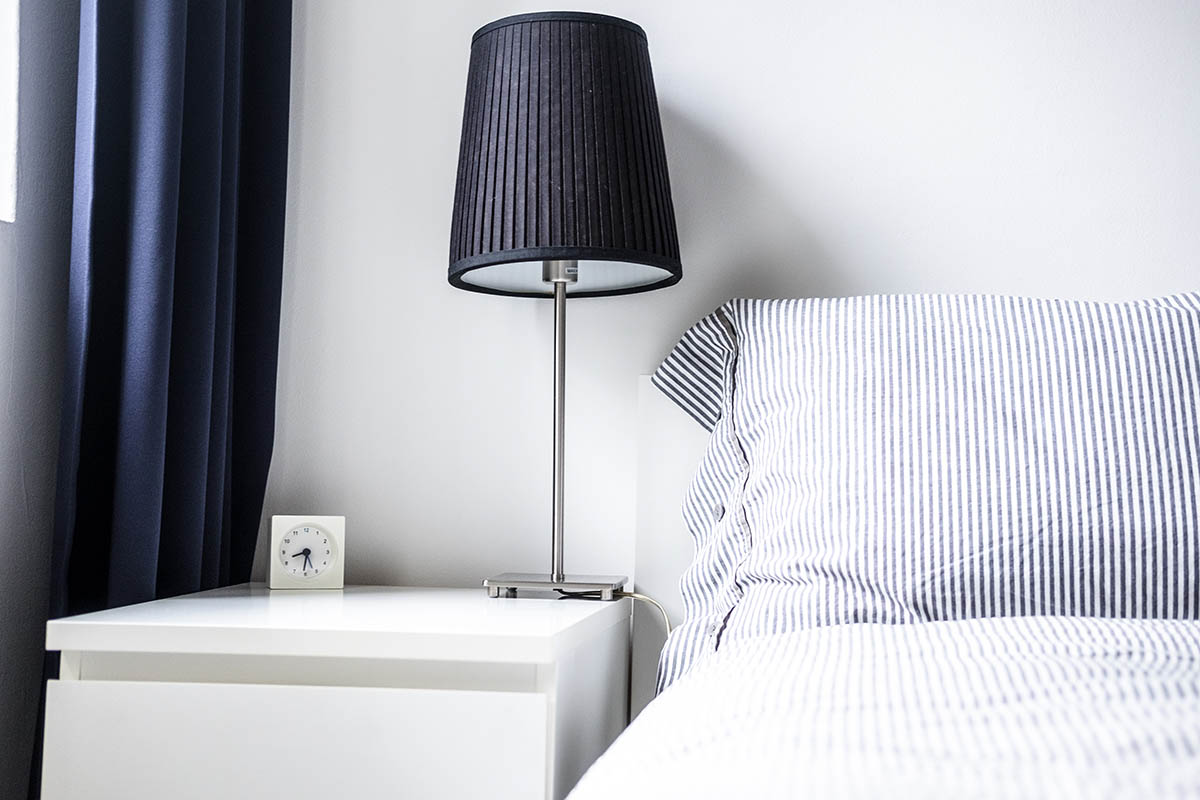
Good lighting instantly adds ambiance to any space. Whenever possible, we recommend natural light to make your rooms look warmer and more inviting. If you don’t have much natural light to work with, turn to table lamps, floor lamps, and chandeliers with warm-toned bulbs. If you find lighting you like, make it a focal point in the room.
For example, if you have a set of sconces you love, you might use them as ornamentation in a minimalist bedroom design. They can set a romantic atmosphere and bring the space to life. Or you might use a lamp set you love to create versatile lighting in a minimalist living room or bedroom.
Final tips for minimalist interior design
5. Refine with Intention
If you’ve decluttered, invested in quality, and created a neutral foundation, you’re already well on your way to a minimalist home.
But minimalism isn’t just about removing — it’s about refining.
Here are a few final principles to elevate your space:
-
One in, one out.
Maintain balance by removing something every time you bring something new into your home. This keeps clutter from slowly returning.
-
Layer texture.
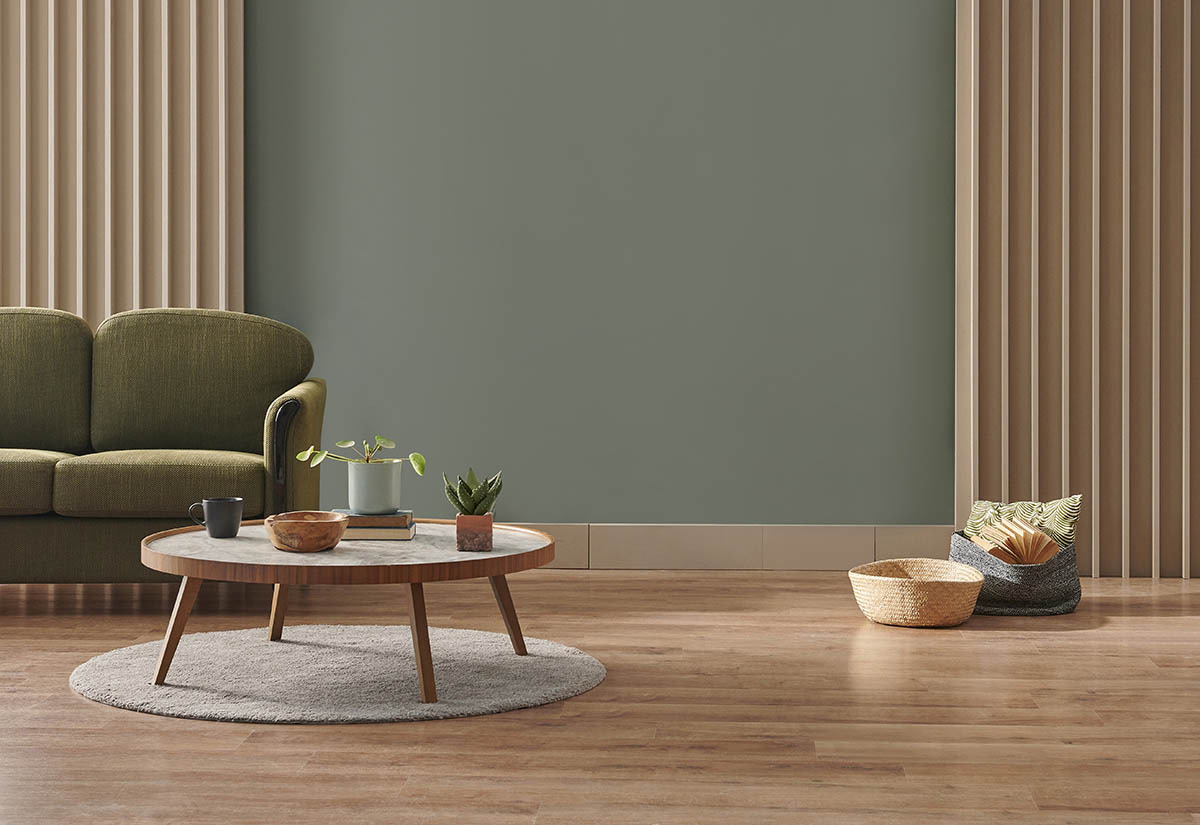
A neutral palette comes alive through texture. Incorporate materials like leather, linen, exposed wood grain, woven accents, chunky knits, or subtle faux fur to add depth without visual chaos.
-
Accessorize intentionally.
Minimalist design thrives on restraint. Choose a few meaningful decorative elements instead of filling every surface. When in doubt, greenery is always a safe and calming addition.
-
Keep forms simple.
Even when investing in quality pieces, avoid overcomplicating silhouettes or patterns. Subtle rugs, streamlined upholstery, and clean-lined furniture preserve harmony.
-
Blend styles thoughtfully.
Minimalism doesn’t require rigidity. If you love contemporary art or a traditional bed frame, incorporate it — just do so with balance and intention.
Create a Minimalist Haven
You don’t need an open-concept floor plan or bright white walls to achieve minimalist interior design. You simply need clarity, purpose, and control over clutter.
When thoughtfully executed, minimalism transforms your home into a space that feels calm, breathable, and easy to maintain. And unlike trend-driven styles, it doesn’t require a complete overhaul overnight.
Minimalism is less about replacing everything — and more about choosing wisely.
Ready to Redefine Your Space?
Minimalist interior design can reshape how your home looks — and how it feels to live in it.
By following these principles, your space will become more soothing, organized, and effortless to maintain.
If you’re ready to invest in quality pieces that align with a refined aesthetic, explore our curated furniture collections at DelRio Home.